

Maybelle Francisco Opens Doors Through Language and Community
/
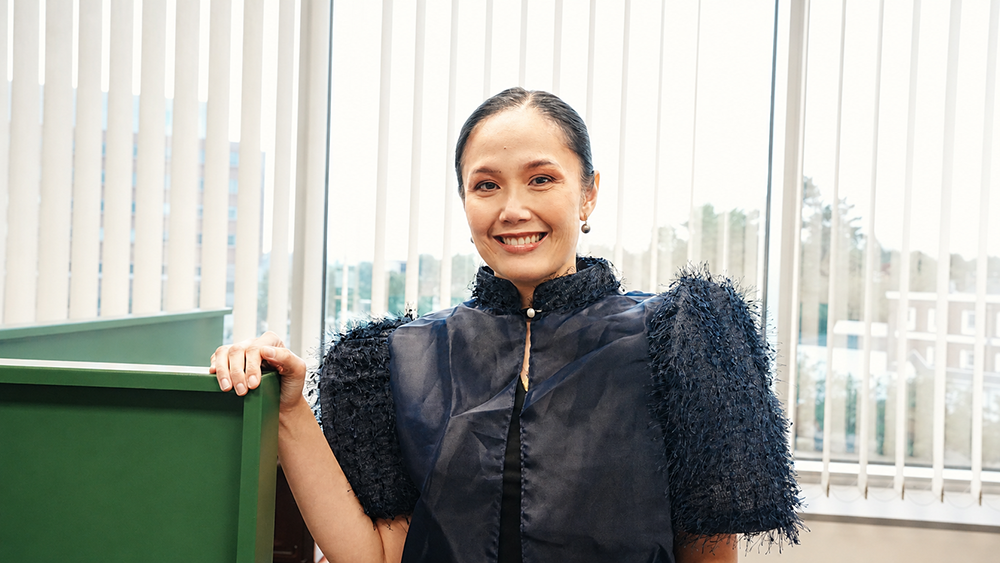
Immigration lawyer Maybelle Francisco
For Founder and Managing Attorney Maybelle Francisco, that invitation expresses the kind of practice she is building: one where people can explain their circumstances, ask questions, and feel heard. Her approach brings together legal experience, Filipino language and culture, and an understanding that immigration decisions often affect an entire family.
Born and raised in the Philippines, with roots in San Miguel, Bulacan, Francisco attended the University of the Philippines before earning her Juris Doctor from Mitchell Hamline School of Law in Minnesota. Her background in immigration and global mobility informs her work with individuals, families, and employers navigating the United States immigration system.
Among the firm's most appreciated offerings is its free initial consultation, which has drawn interest from Filipino communities across all 50 states. For someone unsure where to begin, the opportunity to speak with an attorney without an initial consultation fee can make seeking help less intimidating. It provides space to discuss concerns and begin understanding the next possible steps before deciding whether to retain the firm.
That first conversation matters because an immigration question rarely exists in isolation. A parent may be thinking about children waiting overseas. A professional may be worried about keeping a job. A couple may be planning when they can finally live together. Listening carefully helps bring those concerns into focus alongside the legal issues that require attention.
Francisco's fluency in deep Tagalog is another connection Filipino clients appreciate. Familiar expressions and a shared language can make difficult conversations easier, especially when someone is describing family relationships, personal hardship, or experiences that are hard to explain in English. Paired with her ability to listen and empathize, that fluency helps clients feel comfortable telling their stories in their own words.
The connection extends beyond the attorney. The firm's staff also speak Kapampangan, Bisaya, and Ilokano, broadening its ability to relate to Filipinos from different regions. These language capabilities help make assistance more approachable for community members who may otherwise hesitate to reach out. They also reflect the diversity within the Filipino community, where shared heritage includes many languages and distinct experiences.
Financial accessibility remains part of that welcome. The firm offers flexible payment plans, recognizing that legal expenses must often fit around rent, childcare, and support for relatives in the Philippines. Being able to spread payments over time can help families budget for representation while meeting other responsibilities. Discussing these arrangements also gives clients a clearer picture of the commitment involved.
Francisco takes a particular interest in cases where relief may initially seem out of reach, examining the facts and researching the law to identify options that may have been overlooked. Her approach combines thoughtful strategy, thorough preparation, and careful execution to pursue every viable path toward resolution.
Working under her supervision, Francisco’s team helps clients feel supported at every step, answering questions, explaining what comes next, and easing the burden on families navigating an uncertain process.
Francisco’s commitment to giving back extends beyond her legal practice. By supporting Filipino American events throughout the Northeast and beyond, she helps bring communities together to celebrate their heritage and share Filipino culture with younger generations. These events offer space for cultural expression and help keep connections to the Philippines present in everyday American life.
For younger generations, such celebrations can be an introduction to traditions they may know mainly through parents and grandparents. Hearing Filipino languages, encountering cultural expressions, and sharing community experiences can encourage curiosity about their roots. Francisco's support reflects a desire to help that heritage remain visible, understood, and valued as Filipino American families grow. The goal is to encourage young people to see Filipino culture as something they can participate in, carry forward, and share with friends beyond their own community.
Her practice brings these commitments together: making legal conversations more accessible and supporting the community whose stories give that work meaning. The welcome at Maybelle Francisco Law recognizes that people arrive with more than documents. They bring hopes for their children, responsibilities to loved ones, and plans shaped by years of effort.
In that setting, “Tuloy po kayo” carries a practical promise: an opportunity to begin, to be listened to, and to discuss the path ahead with someone who understands the importance of both family and belonging.
