
Force Majeure & Looking Back
/We've seen the reels, read the reports, and checked on family and friends in General Santos City and neighboring provinces in southern Mindanao following the powerful 7.8-magnitude earthquake that struck a few days ago. As of this writing, at least 37 people have died, thousands have been displaced, and an estimated 10,000 residents have been left homeless. Homes, schools, and other buildings have collapsed, while coastal communities remain on alert as authorities continue to monitor the threat of tsunami-related hazards.
Filipinos are no strangers to natural disasters. Typhoons, earthquakes, volcanic eruptions, and floods have long been part of life in our archipelago. Yet familiarity does not lessen the pain and hardship that a calamity of this magnitude brings. Every disaster leaves families grieving, communities struggling to rebuild, and countless lives forever changed.
For Filipinos in the diaspora, this is once again a moment to unite in solidarity with our kababayans in Mindanao. We can storm the heavens with prayers, but we can also translate our concern into action by supporting relief and recovery efforts. As always, let us exercise care and diligence, ensuring that our donations and assistance reach those who truly need them rather than falling into the hands of scammers, opportunists, or corrupt officials.
Our stories this week:
Graciano Lopez Jaena, the Ilonggo patriot and leading voice of the Propaganda Movement in the years preceding Philippine independence, has long been the subject of myths, misconceptions, and historical distortions. A new and meticulously researched book by fellow Ilonggo historian Emmanuel Lerona, Graciano's Dirty Fingers, seeks to set the record straight and restore a fuller understanding of this important national figure. Canada-based writer Meyen Quigley reviews the book in “Rebuffing Graciano Lopez Jaena's ‘Dirty Fingers.’”
While attending his son's wedding in Mexico, Toronto-based economist and academic Cesar Polvorosa Jr. found himself struck by a sense of familiarity. The reason, he realized, lay in the deep cultural and historical connections between Mexico and the Philippines, forged through centuries of shared colonial experience. He reflects on those discoveries in “Finding the Philippines in Mexico.”
We also feature two articles exploring the Philippines' iconic national attire:
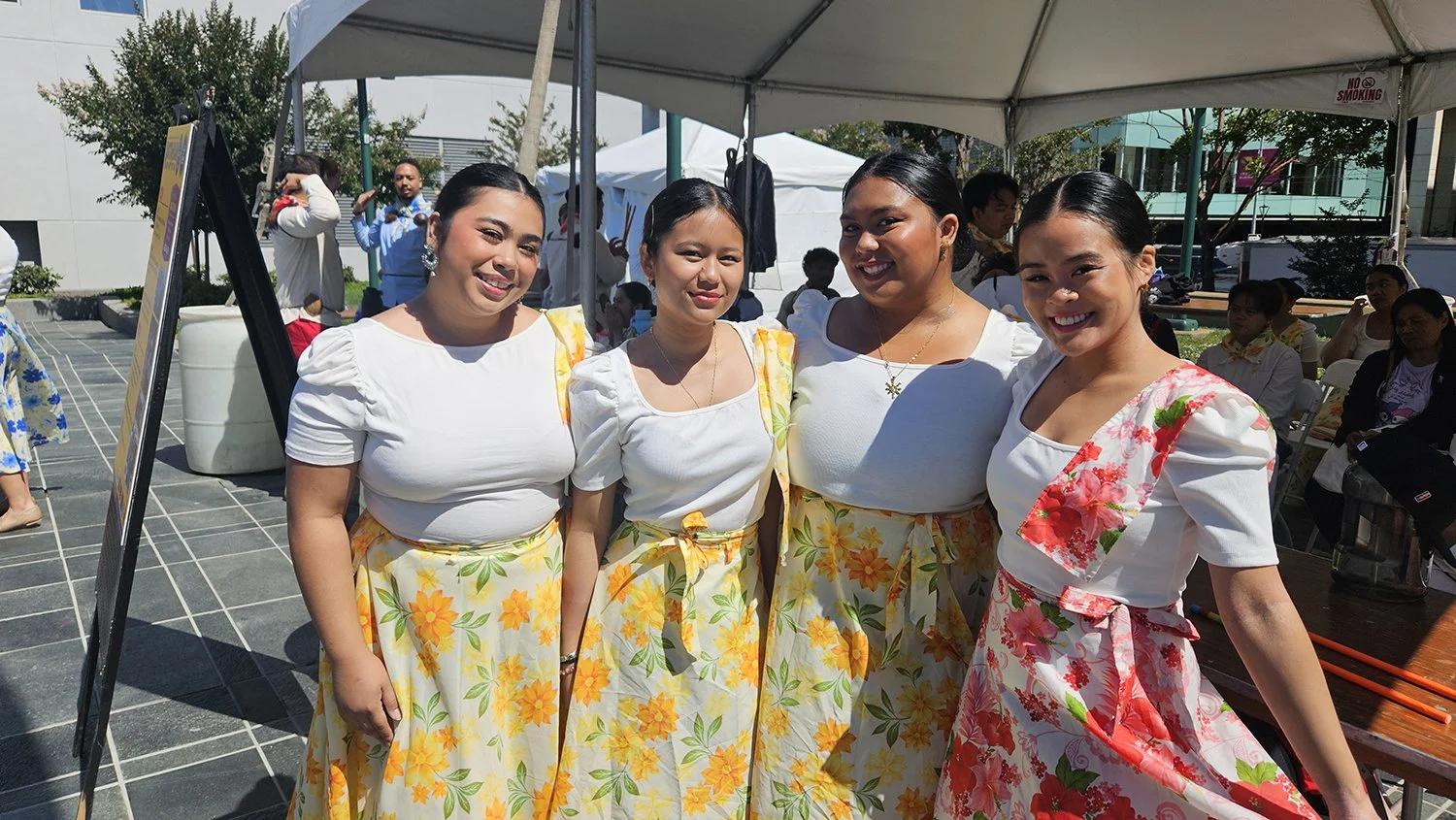
“The Terno: Living Silhouette of the Filipino Soul” by Zardo A. Austria traces the remarkable evolution of the terno and its enduring place in Filipino identity.
In “Barong and Filipiniana: A Foreigner's Altered Impression,” Anton Dvoryadkin recounts how initial skepticism gave way to admiration and appreciation for the elegance, history, and cultural significance of the barong tagalog and Filipiniana.
[Read It Again]
A Valiant People's Army by John L. Silva
The Saga of the Tamontaka Teduray Sisters by Eduardo C. Tadem
Filipino Terms of Endearment by Myles A. Garcia
[Video of the Week] The Philippine Heritage Collection
In The Know
Filipino American fugitives among FBI’s ‘Most Wanted Fraudsters’
https://usa.inquirer.net/199605/filipino-american-fugitives-among-fbis-most-wanted-fraudsters
Inside the Manila American Cemetery and Memorial
https://www.spot.ph/things-to-do/the-latest-things-to-do/
Deported Filipino sailors say they were falsely linked to child sexual abuse material
PAL joins global airline alliance oneworld
https://www.philstar.com/business/2026/06/07/2533492/pal-joins-global-airline-alliance-oneworld?
Today I Learned: Not All Sisig Is Meant to Sizzle
