
After the School Shootings: What Teachers Must Now Carry Into the Classroom
/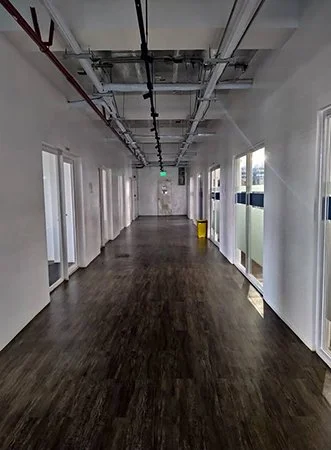
An empty school hallway in Cebu. For educators, keeping schools safe has increasingly become part of the responsibilities surrounding teaching and learning.
The June 22, 2026 shooting at San Jose National High School in Tacloban City, Leyte, changed that routine in ways I never expected.
Is someone in this room silently struggling?
You will not find that question in any syllabus. It has nothing to do with course outcomes, learning activities, or assessment rubrics. Yet I suspect many educators now carry it with them before every class.
After the June 22 Tacloban shooting, the national conversation quickly turned to school security, gun ownership, bullying, violent online content, juvenile justice, and the responsibilities of parents. These are necessary conversations. But as I followed the news, I found myself thinking about something else.
It changed something no policy can easily measure. It changed the quiet thoughts teachers carry before they even begin a class.
That question does not come from fear. It comes from the realization that student well-being is no longer a conversation confined to the guidance office. It has become part of the everyday reality of education. As educators, we increasingly encounter students who are quietly navigating personal struggles while trying to continue their education. That reality has changed what many of us carry into the classroom.
The response was immediate.
Schools began preparing for active-shooter drills, with the Philippine National Police joining these exercises. Local governments were also called upon to strengthen school safety, with the Department of the Interior and Local Government directing local governments to establish Safer School Zones and mobilize barangay watchmen around schools. These measures were intended to give students and school personnel clearer protocols for responding to emergencies.
For many Filipino educators, these are measures we never imagined would become part of our educational vocabulary.
Then came Zamboanga.
On August 18, less than two months after the Tacloban violence, another school shooting occurred at Ateneo de Zamboanga University. A Grade 9 student shot a Grade 10 schoolmate inside the school building before taking his own life. The investigation later found no established school-related or personal grievance that could sufficiently explain the shooting. Instead, investigators identified prior preparation and exposure to violent online material among the circumstances surrounding the incident, while gaps in firearm safekeeping and school security contributed to how the shooting unfolded.
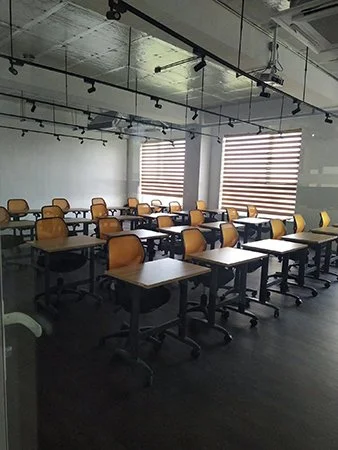
An empty classroom in Cebu, where the work of educating students increasingly extends beyond lessons, activities, and assessments.
The Zamboanga shooting showed how quickly a school community can be forced to confront the same terrifying reality. What had prompted urgent safety measures in Tacloban had now happened again in another school community.
What caught my attention was not only the renewed focus on security, but the recognition that the effects of school violence extend beyond physical safety. Following the Zamboanga incident, school heads agreed to tighten security protocols while placing equal focus on the mental well-being of learners and staff. Psychological first aid and psychosocial support were also provided to affected learners, parents and employees.
That distinction matters.
Safety is not separate from education. It is a prerequisite for it.
Then came South Cotabato.
On September 18, a shooting at Banga National High School in South Cotabato left three people dead and six others wounded. Classes were suspended, while the Department of Education coordinated with local authorities and law enforcement and assured psychological first aid and psychosocial support for those affected.
Three school shootings in a matter of months make it harder to treat each incident as an isolated tragedy. For teachers, each new incident adds another layer to the quiet calculations that happen before class: Is my classroom safe? Does this student need help? What signs might I miss? And if something goes wrong, what am I expected to do?
But as I watched these changes unfold, I found myself asking a different question.
How much more can we expect schools to carry?
Long before these recent school shootings, Philippine education was already carrying enormous challenges: learning recovery, overcrowded classrooms, teacher shortages, limited facilities, and unequal access to educational resources.
Today, schools are expected to do far more than educate. They are expected to recognize signs of emotional distress, strengthen mental health support, prevent bullying, coordinate with law enforcement, conduct emergency drills, reassure anxious parents, and protect thousands of learners every day.
None of these expectations are unreasonable. In fact, they are necessary. But every new responsibility requires policies, funding, trained personnel, and real support from government and communities. It cannot simply depend on the hope that schools and teachers will somehow find a way.
The problem is that we sometimes talk about school safety as though it begins and ends at the school gate.
It does not.
The three incidents have shown how questions of school safety can quickly become questions about families, firearm access, student well-being, digital spaces, emergency preparedness, and community response. The Commission on Population and Development has likewise emphasized that school violence is not solely a law enforcement or school discipline concern. It is also a family, developmental, mental health and community issue that extends beyond the school environment.
That means responsibility cannot rest on schools alone.
As educators, we can guide, encourage, and support our students. But there are responsibilities that begin long before a child enters the classroom and continue long after the dismissal bell rings. Parents remain the first teachers, and no school can take their place.
Families need support in recognizing changes in their children’s behavior and helping adolescents navigate the challenges they face. Communities need systems that allow young people to seek help before problems escalate. Government needs to provide schools with the funding, personnel, training and policies required to respond to these increasingly complex demands.
Likewise, no single explanation, whether bullying, violent online content, mental health concerns, access to firearms, or juvenile justice, fully explains a tragedy of this magnitude. Focusing on only one cause risks overlooking the complex realities our young people face today.
What worries me most is that while we are asking schools to become safer, we must also make sure they remain places where students can still learn with hope and where teachers can still focus on creating meaningful learning experiences.
Questions of school safety can quickly become questions about families, firearm access, student well-being, digital spaces, emergency preparedness, and community response.
The Tacloban school shooting changed more than our conversation about campus security. The Zamboanga shooting made that reality harder to ignore. The South Cotabato shooting made it even harder to dismiss these incidents as isolated events.
We still think about meaningful learning experiences, but we also quietly wonder whether someone sitting in front of us may need help that no lesson plan, learning activity, or assessment can provide.
Safe schools are not created by security measures alone. They are built through shared responsibility.
Because the safest schools are not built with higher walls and stronger gates. They are built when society finally helps carry what it has long asked schools to bear.

Ivy Marie Abao, M.S., is an Assistant Professor of Communication at National University-Cebu. Her academic interests include crisis communication and the role of communication in development and society.
